
Maximizing Trade Show ROI - or How to Waste a $250K Investment
Your company just invested $250,000 to exhibit at your industry's premier trade show. Flights, hotels, booth design, show support staff, swag, meals, the works. All your best customers walked by. All your best prospects stopped to talk. Three days of concentrated, high-stakes opportunity. Now your team is flying home with 512 badge scans and a tote bag full of business cards. What happens next will determine whether that quarter-million-dollar investment generates meaningful return or joins the long list of "seemed like a good idea at the time" marketing expenses.

Christian Wettre
EVP, GM North America
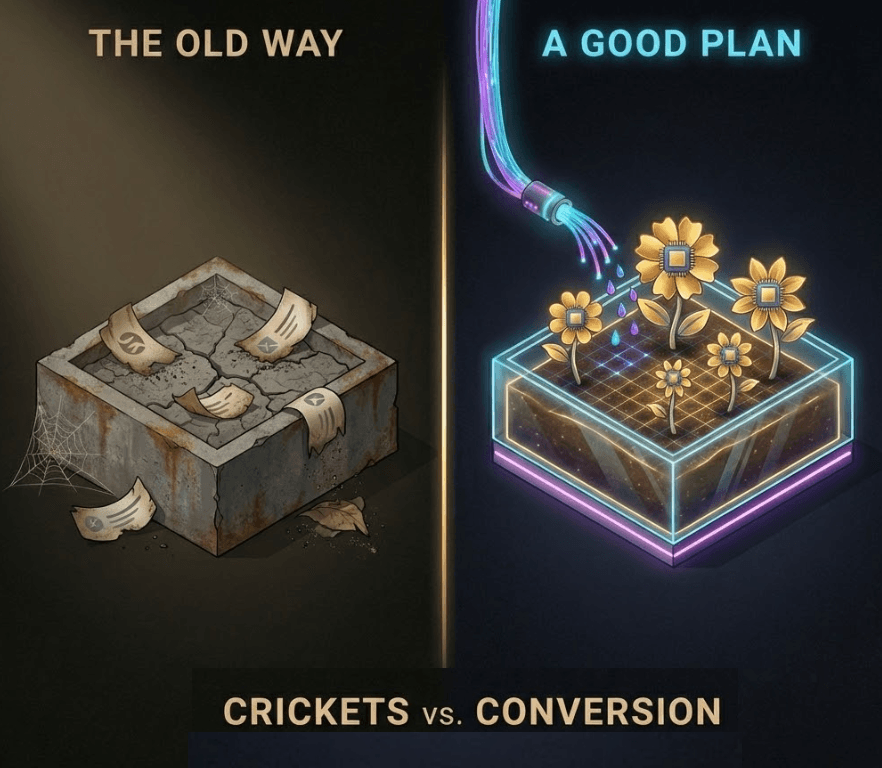
The Typical Post-Show Breakdown
Here's what most manufacturing companies do after the trade show ends:
Marketing receives the badge scan file after the show closes. They spend a few days cleaning up the data, removing duplicates, and organizing contact information. The cleaned list finally reaches sales four or five days after the show.
Sales reps start calling and emailing, attempting to follow up while the conversations are still relatively fresh. They reach a few people. Get some "I think I remember talking to you" responses. Mostly they get crickets - voicemails that go unreturned and emails that disappear into inboxes.
After two weeks of declining response rates, everyone moves on to other priorities. The general consensus: "Guess they weren't that interested after all."
Why Traditional Follow-Up Fails
That follow-up email your rep sent? Every other exhibitor at the show is sending essentially the same message. All 1,500 of them.
Your prospect landed back at their desk with 47 voicemails and 206 emails, all saying some variation of "Great chatting with you at the show. Let's connect to discuss how we can help."
In this environment, even genuinely interested prospects struggle to remember specific conversations or distinguish between vendors. Your message gets lost in the noise, regardless of how compelling your actual booth conversation was. The delay between conversation and follow-up, combined with the overwhelming volume of identical outreach, kills conversion.
How High-Performing Companies Capture Trade Show Value
The companies that generate exceptional return from trade show investments don't rely on post-show scrambling. They show up with a systematic approach already built and ready to deploy before they even board the plane.
Here's what differentiates their approach:
Immediate capture. Badge scans hit the CRM the moment a prospect leaves the booth, not days or weeks later. Booth staff can add context notes - specific products discussed, immediate needs mentioned, decision timeline, competitive situation - while the conversation is fresh. This intelligence gets captured in real time instead of relying on after-the-fact reconstruction.
Automatic routing and assignment. Each lead gets tagged based on geographic territory, product interest, or account size, then routed automatically to the appropriate sales rep. No manual sorting. No coordination meetings. No leads falling through cracks because someone assumed someone else was handling follow-up.
Structured follow-up sequences. A 90-day nurture campaign kicks off automatically for each lead, calibrated to their specific interests and timeline. Early emails reference the specific conversation and product discussed at the booth. Strategic touches continue through months two and three - perhaps sending a spec sheet, a case study, or a physical sample in month two, precisely when every other vendor has gone quiet and stopped following up.
System-driven persistence. Your sales team doesn't have to remember which leads need which follow-up when. The system remembers for them, prompting the right action at the right time based on the lead's profile and behavior.
The Compounding Advantage
Three months after the trade show, your competitors' leads are cold. Follow-up stopped weeks ago. The prospects who were genuinely interested at the show but needed time to develop their projects have been forgotten.
Your leads are turning into qualified opportunities and orders. The systematic follow-up kept your company visible during the crucial period when prospects were moving from initial research to serious evaluation. When they're ready to request quotes, your company is top of mind because you've been providing value consistently while everyone else disappeared.
Same trade show. Same initial investment. Completely different return on investment.
Building Your Trade Show System
Maximizing trade show ROI requires planning before the event, not scrambling after it ends. The system needs to be built, tested, and ready to activate the moment the show floor opens.
This means having your CRM configured for immediate lead capture, with clear tagging criteria and automatic routing rules established. It means having your follow-up sequences designed, written, and loaded before anyone boards a plane. It means briefing booth staff on how to capture meaningful intelligence beyond just scanning badges.
When these elements are in place before the show, your team can focus their energy on having quality conversations at the booth instead of worrying about how they'll remember and follow up on everything later.
At TCP Americas, we help manufacturers build systematic approaches to trade show lead management using integrated CRM platforms like SugarCRM. From immediate lead capture through 90-day nurture sequences, we enable companies to extract maximum value from their trade show investments.
Next year, show up to the same show with a winning plan already built. That's what CRM does best - turning expensive one-time events into systematic lead generation engines that continue producing results long after the booth comes down.
Ready to maximize your trade show ROI? Contact TCP Americas to learn how systematic lead management can help you capture more value from every trade show investment.


